Best Car Wrap Colours for 2026: What’s Trending and What Actually Looks Good Choosing a wrap colour is the hardest part of the whole process. Not because there aren’t enough options — there are hundreds — but because you’re going to be looking at this colour every single day for the next 3–5 years. The wrong choice doesn’t just look bad, it feels bad. Every time you walk up to the car, every time you catch it in a car park, that little voice goes “should’ve gone with the grey.” So here’s what’s actually trending in 2026, what’s holding its value, and — just as importantly — what to avoid. This isn’t a list of every colour that exists. It’s the colours people are actually choosing right now and not regretting. 1. Nardo Grey If there’s one colour that defines the current era of car wrapping, it’s Nardo Grey. Originally an Audi exclusive (named after the Nardo test track in Italy), it’s become the single most requested wrap colour in the UK — and probably the world. It’s a flat, cool, medium-dark grey with no warm or blue undertone. It just looks expensive. What makes it work is the neutrality. On
Vented Garage Floor Tiles: The Cheapest Upgrade That Changes Everything Most people start a garage makeover with the walls, the storage, or the lighting. That’s the wrong order. The floor is the single biggest surface in your garage, and it’s the one you look at, walk on, and drop things onto every single day. Get the floor right and the rest of the space instantly looks more finished. Leave it as bare concrete and it doesn’t matter what you bolt to the walls — it still feels like a building site. Interlocking garage floor tiles are the fastest, cheapest, and least disruptive way to completely transform a garage floor. No mixing chemicals, no curing time, no hiring someone. You click them together like a jigsaw on a Saturday morning and you’re done by lunch. What are vented garage floor tiles? Vented floor tiles are interlocking polypropylene tiles with an open-grid surface pattern that lets air, water, and debris pass straight through. They sit on a raised base — typically 15–18mm off the concrete — which creates a gap underneath for airflow and drainage. Liquid doesn’t pool on the surface; it falls through the vents, spreads across the concrete below, and evaporates
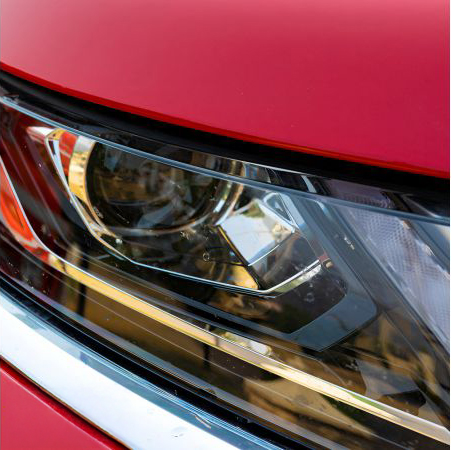

PPF vs Ceramic Coating: What’s the Difference, and Do You Need Both? If you’ve spent any time looking into protecting your car’s paint, you’ve probably hit the same wall every other car owner does: PPF and ceramic coating get talked about as if they’re competing products, two options where you pick one. They’re not. They do completely different jobs, and once you understand what each one actually protects against, the “which one” question mostly answers itself. Here’s the short version: PPF stops things from physically hitting your paint. Ceramic coating stops things from chemically sticking to it. A stone kicked up off the motorway doesn’t care how hydrophobic your paint is — and bird mess doesn’t care how thick your film is. Different threats, different tools. What PPF actually does Paint protection film is a clear urethane film, roughly 150 microns thick, applied directly onto your paintwork. Think of it less like a coating and more like a very good, very invisible bit of armour. When a stone chip hits a PPF-covered bumper at 70mph, the film absorbs that impact and spreads the force across the material — the energy gets dealt with by the film, not your clear coat. Most